Have you ever wondered if there’s a bread that’s both gluten-free and packed with protein? Look no further than injera, the Ethiopian staple that’s taking the culinary world by storm! 🌟
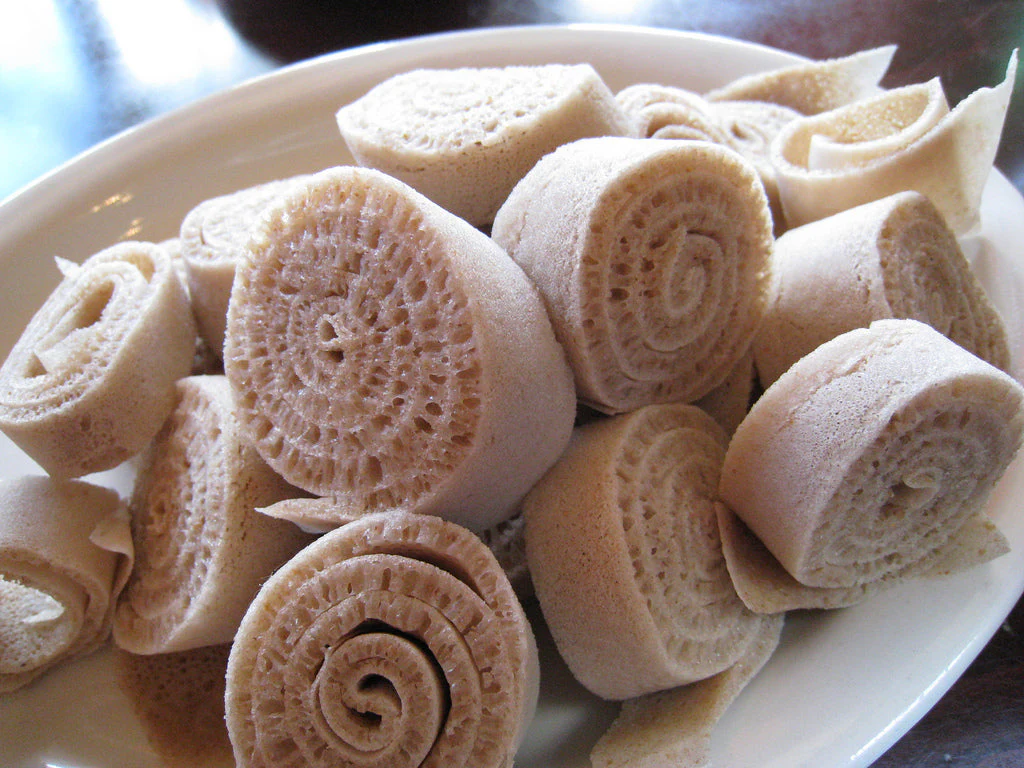
This spongy, tangy flatbread isn’t just a delicious addition to your meal; it’s a nutritional powerhouse that’s been sustaining communities for centuries. In a world where dietary restrictions often limit our food choices, injera stands out as a versatile option that caters to various nutritional needs. But what exactly makes this bread so special, and how can you incorporate it into your diet?
Get ready to embark on a flavorful journey as we explore the wonders of injera. From its unique preparation method to its impressive protein content and gluten-free nature, we’ll uncover why this Ethiopian bread deserves a place on your plate. We’ll also dive into its culinary versatility and even show you how to make it at home. So, let’s roll up our sleeves and discover why injera might just become your new favorite bread! 🍽️👨🍳
What is Injera?
A. Traditional Ethiopian flatbread
Injera is the cornerstone of Ethiopian cuisine, a spongy sourdough flatbread that serves as both a staple food and an eating utensil. This versatile bread is not just a side dish but often the main component of meals, used to scoop up various stews and vegetables. Its unique texture and slightly tangy flavor make it an integral part of the Ethiopian dining experience.
| Characteristic | Description |
|---|---|
| Texture | Spongy and porous |
| Flavor | Slightly tangy and sour |
| Appearance | Large, circular, with small holes on the surface |
| Usage | Serves as both food and utensil |
B. Unique fermentation process
The distinctive taste and texture of injera come from its lengthy fermentation process:
- Mixing: Teff flour is combined with water and left to ferment
- Fermentation: The mixture sits for 2-3 days, allowing natural yeasts to develop
- Cooking: The fermented batter is poured onto a hot griddle in a circular pattern
- Steaming: The injera is covered and steamed until fully cooked
This process not only enhances flavor but also increases the bread’s nutritional value by improving nutrient absorption and reducing anti-nutrients.
C. Teff: The gluten-free super grain
Teff, the primary ingredient in traditional injera, is a tiny grain native to Ethiopia. It’s naturally gluten-free and packed with nutrients:
- High in protein and fiber
- Rich in iron, calcium, and B vitamins
- Contains all 9 essential amino acids
- Sustainable and drought-resistant crop
D. Nutritional profile overview
Injera’s nutritional content makes it a standout among bread options:
| Nutrient | Benefit |
|---|---|
| Protein | Supports muscle growth and repair |
| Fiber | Aids digestion and promotes fullness |
| Iron | Essential for blood health |
| Calcium | Supports bone health |
| Probiotics | Promotes gut health due to fermentation |
With its unique preparation and nutritional benefits, injera offers a delicious way to incorporate diverse, nutrient-rich foods into your diet. Now that we understand what injera is, let’s explore its impressive protein content in more detail.
The Protein Power of Injera
Amino acid composition
Injera’s protein power comes from its unique amino acid composition, primarily due to its main ingredient, teff. This ancient grain boasts an impressive profile of essential amino acids, making injera a complete protein source. Teff is particularly rich in lysine, an amino acid often lacking in other grains.
Comparison to other bread types
| Bread Type | Protein Content (per 100g) | Gluten-Free |
|---|---|---|
| Injera | 8-10g | Yes |
| White Bread | 7-9g | No |
| Whole Wheat | 10-12g | No |
| Rice Bread | 2-4g | Yes |
As the table shows, injera holds its own against other bread types in terms of protein content, while maintaining its gluten-free status.
Benefits for muscle growth and repair
The high-quality protein in injera offers several benefits for muscle health:
- Supports muscle synthesis
- Aids in post-workout recovery
- Provides sustained energy release
- Promotes overall muscle maintenance
Ideal for vegetarian and vegan diets
Injera’s protein content makes it an excellent choice for plant-based diets. It helps to:
- Bridge potential protein gaps
- Diversify protein sources
- Complement other plant-based proteins
- Enhance overall nutritional intake
Now that we’ve explored the protein power of injera, let’s delve into its gluten-free properties and why this makes it an increasingly popular choice for those with dietary restrictions.
Gluten-Free Goodness
Safe for celiac disease and gluten sensitivity
Injera’s gluten-free nature makes it an excellent choice for individuals with celiac disease or gluten sensitivity. Unlike traditional wheat-based breads, injera is typically made from teff flour, which is naturally gluten-free. This makes it a safe and delicious alternative for those who need to avoid gluten in their diet.
| Condition | Can Consume Injera? | Reason |
|---|---|---|
| Celiac Disease | Yes | Teff flour is gluten-free |
| Gluten Sensitivity | Yes | No gluten-containing ingredients |
| No Dietary Restrictions | Yes | Suitable for all diets |
Digestive health benefits
The fermentation process used in making injera contributes to its digestive health benefits:
- Increases bioavailability of nutrients
- Promotes growth of beneficial gut bacteria
- Reduces phytic acid, improving mineral absorption
Potential for weight management
Injera’s unique composition can aid in weight management:
- High fiber content promotes satiety
- Low in calories compared to many other breads
- Complex carbohydrates provide sustained energy
Micronutrient boost
Teff flour, the primary ingredient in injera, is packed with essential micronutrients:
- Iron: Supports red blood cell production
- Calcium: Essential for bone health
- Vitamin C: Boosts immune function
- B vitamins: Aid in energy metabolism
These nutrients make injera not just a gluten-free option, but a nutritionally dense one as well. As we explore the culinary versatility of injera in the next section, you’ll see how this nutrient-rich bread can be incorporated into various dishes.
Culinary Versatility of Injera
Traditional Ethiopian serving methods
In Ethiopian cuisine, injera serves as both a staple food and a utensil. Traditionally, it’s presented on a large platter called a “gebeta,” with various stews and dishes arranged on top. Diners tear off pieces of injera to scoop up the food, creating a communal dining experience.
| Dish Type | Description | Common Ingredients |
|---|---|---|
| Wat | Spicy stew | Meat, lentils, or vegetables |
| Tibs | Sautéed meat | Beef or lamb, onions, peppers |
| Kitfo | Minced raw beef | Seasoned with mitmita and niter kibbeh |
Modern fusion recipes
Innovative chefs are incorporating injera into contemporary cuisine, creating exciting fusion dishes:
- Injera-crusted chicken: A gluten-free alternative to breadcrumbs
- Injera chips: Crispy, seasoned snacks perfect for dips
- Injera tacos: Filled with Ethiopian-inspired ingredients
Injera as a wrap or pizza base
Injera’s flexibility makes it an excellent substitute for wraps or pizza crusts:
- Injera wraps: Fill with grilled vegetables and hummus for a quick lunch
- Injera pizza: Top with tomato sauce, cheese, and traditional Ethiopian spices
Pairing suggestions for optimal nutrition
To maximize the nutritional benefits of injera, consider these pairings:
- Legume-based stews: Enhance protein content and provide complementary amino acids
- Colorful vegetables: Add vitamins and antioxidants to balance the meal
- Fermented sides: Combine with other fermented foods like yogurt to support gut health
By exploring these versatile uses of injera, you can enjoy its unique flavor and texture in both traditional and innovative ways while reaping its nutritional benefits.
Making Injera at Home
Essential ingredients and equipment
To make authentic injera at home, you’ll need:
- Teff flour (main ingredient)
- Water
- Salt
- Large mixing bowl
- Fermentation container
- Non-stick pan or traditional mitad
| Ingredient | Amount |
|---|---|
| Teff flour | 2 cups |
| Water | 3 cups |
| Salt | 1/2 tsp |
Step-by-step fermentation process
- Mix teff flour and water in a large bowl
- Cover and let sit at room temperature for 24-48 hours
- Stir daily to incorporate air
- Add salt when bubbles form and mixture smells sour
Cooking techniques for perfect texture
- Heat non-stick pan or mitad over medium heat
- Pour batter in a circular motion from outside to center
- Cover and cook for 2-3 minutes until holes form on surface
- No need to flip; injera cooks on one side only
Troubleshooting common issues
- Too thin: Add more teff flour
- Too thick: Add water gradually
- Not sour enough: Extend fermentation time
- Sticking to pan: Ensure pan is well-seasoned or non-stick
Storing and reheating tips
- Cool completely before storing
- Stack with parchment paper between layers
- Refrigerate for up to 3 days or freeze for 1 month
- Reheat in microwave or warm skillet
With these guidelines, you’re ready to create your own gluten-free, protein-rich injera at home. Experiment with different fermentation times and cooking techniques to find your perfect injera style. As you master this traditional Ethiopian bread, you’ll open up a world of culinary possibilities for your gluten-free diet.
Injera stands out as a remarkable bread that offers both nutritional benefits and culinary versatility. This Ethiopian staple not only provides a gluten-free alternative for those with dietary restrictions but also delivers a significant protein boost to any meal. Its unique fermentation process and teff flour base contribute to its distinctive tangy flavor and spongy texture, making it a delightful addition to various dishes.
Whether you’re looking to explore new cuisines, increase your protein intake, or simply enjoy a flavorful gluten-free bread, injera is an excellent choice. By learning to make injera at home, you can bring the rich flavors and health benefits of this traditional Ethiopian bread to your own table. Embrace the nutritional power and cultural significance of injera, and let it become a staple in your culinary repertoire.